Wallflower

I think this is a powerful although poignant poem. I share it now as thousands of students return to college or begin college. The last couple of years have been largely remote so whilst students are excited to get back to campus in whatever format that might be, I am sure there are many who are also feeling afraid.

In my opinion, fostering a sense of belonging is one of the best things we can do to help anyone fit into a new situation. If we feel like we belong, that we are part of a community, we are strengthened by the support of others. The key point is we all have a part to play in this.

To answer the question in the poem, no-one has the rule book, no-one knows all the right things to say, everyone can only be courageous and do their best to chat and be friendly. 

Don’t hold back and wither, don’t shrink into the corner, reach out, make a connection, be seen.  Belong.

Feature Image via Canva

9/11 Anniversary

Twenty years ago, I was living and working in England. On Tuesday 11th September 2001, I went home for lunch as I did most days and turned on the TV. Every channel was showing images of a plane crashing into the Twin Towers at the World Trade Centre in New York. I was completely in shock and couldn’t process what I was seeing.

When I went back to the office, my colleagues had heard the news. I don’t think any work was done that afternoon as we stared wide-eyed at the horrifying images. There was an air of panic and catastrophe although we were far away from the tragedy.

I had a really uneasy feeling. In the midst of my compassion, I was full of fear for myself. My boyfriend and I were due to start a world trip at the start of October and our first stop was America. I was already nervous about going travelling and hearing of this terrorist attack convinced me that we shouldn’t go.

Despite my fears, we arrived in the US on 3rd Oct 2001. Almost everywhere we went, the American people thanked us for visiting their country. US Flags adorned every building and T-shirts with commemorative messages were being sold on the streets and in the shops. America was already trying to bounce back from tragedy.

I was in awe of the bravery of so many people and felt silly about my own fears.

That world trip saw us visit America, French Polynesia, The Cook Islands, Fiji, New Zealand, Australia and Thailand. It was definitely one of the greatest experiences of my life. Aside from the amazing sights and incredible people, I learnt a huge amount about different cultures, different perspectives and I learnt a lot about myself.

I almost missed it all.
Don’t let fear rule your life.

Feature Image Credit: Anthony Fomin via Unsplash

New Academic Year

Does a new academic year conjure up thoughts of a fresh start and a clean slate?

Lots of us buy new notebooks and pens to get ready.

If we were living in the 1800s, we would literally have been using a clean slate.

Although in reality the slate wasn’t always 100% clean, as traces of what was there before sometimes remained even after wiping.

Perhaps that’s reflective of life in that when we embark on a fresh start, we can’t completely erase what happened before. Sometimes this reality discourages us.

But maybe we can use what we already have to our advantage?

My new journal in the attached photo reminds me of an example of this.

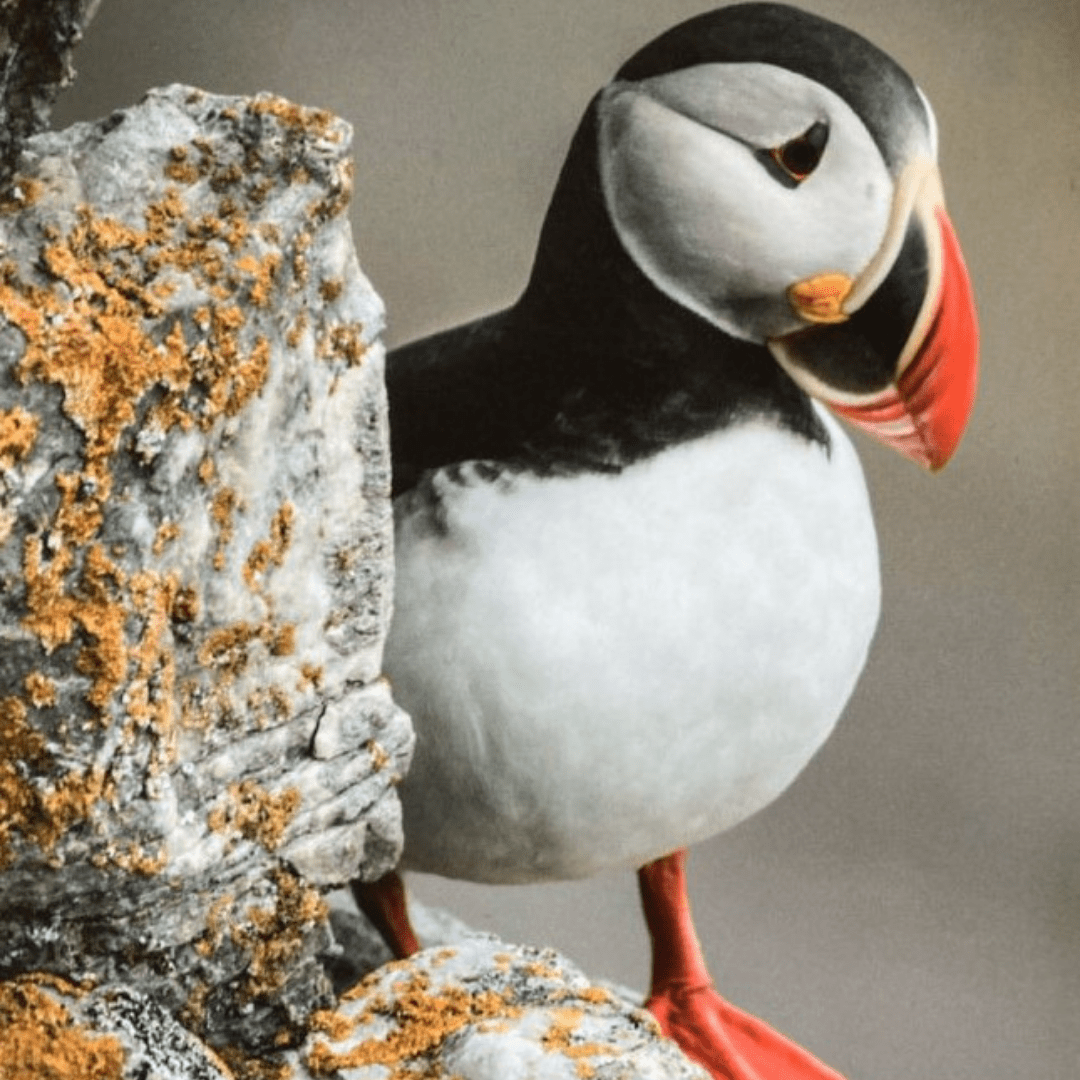
When the Star Wars team were filming on Skellig Michael, the local puffin birds kept wandering into scenes. To completely remove the puffins from the movie in post production was going to prove very expensive. Instead the film makers incorporated the puffin and a new creature, a Porg, a digitally altered puffin was born!

So I wish you a happy new academic year, and if you don’t have a completely clean slate, don’t let that overshadow you. Build on your past experiences to inspire something new!

Rebel Ideas

Given the importance of this week for Cork Hurling, I thought writing about a book with REBEL in the title would be appropriate.

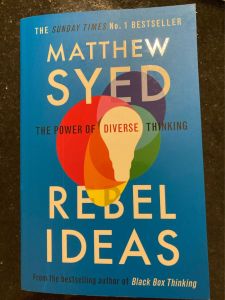
However, unlike the level of preparation that I’m sure will be evident at this weekend‘s matches and was in full display at Wednesday’s U20 final, I actually haven’t finished reading the book “Rebel Ideas” by Matthew Syed yet!

From what I’ve read so far, I see the argument that diverse perspectives lead to greater success in solving problems.

Key factors can be missed if the investigation team comprises of people who all have similar upbringings, experience and education. The author analyses a number of well known events to support this point.

At this stage, my takeaway from the partly read book is that the best teams have a variety of participants with different backgrounds who bring a range of distinct skills and strategies. The book is interesting and easy to read, so I will finish it.

I have read another of Matthew Syed’s books “You are Awesome” in its entirety and can recommend it as easy to read and a source of inspiration for both adults and children.

“Best teams”… “skills and strategies”… “awesome”…reminds me of Cork Hurling!

Feature Image via Canva

The Artist’s Way

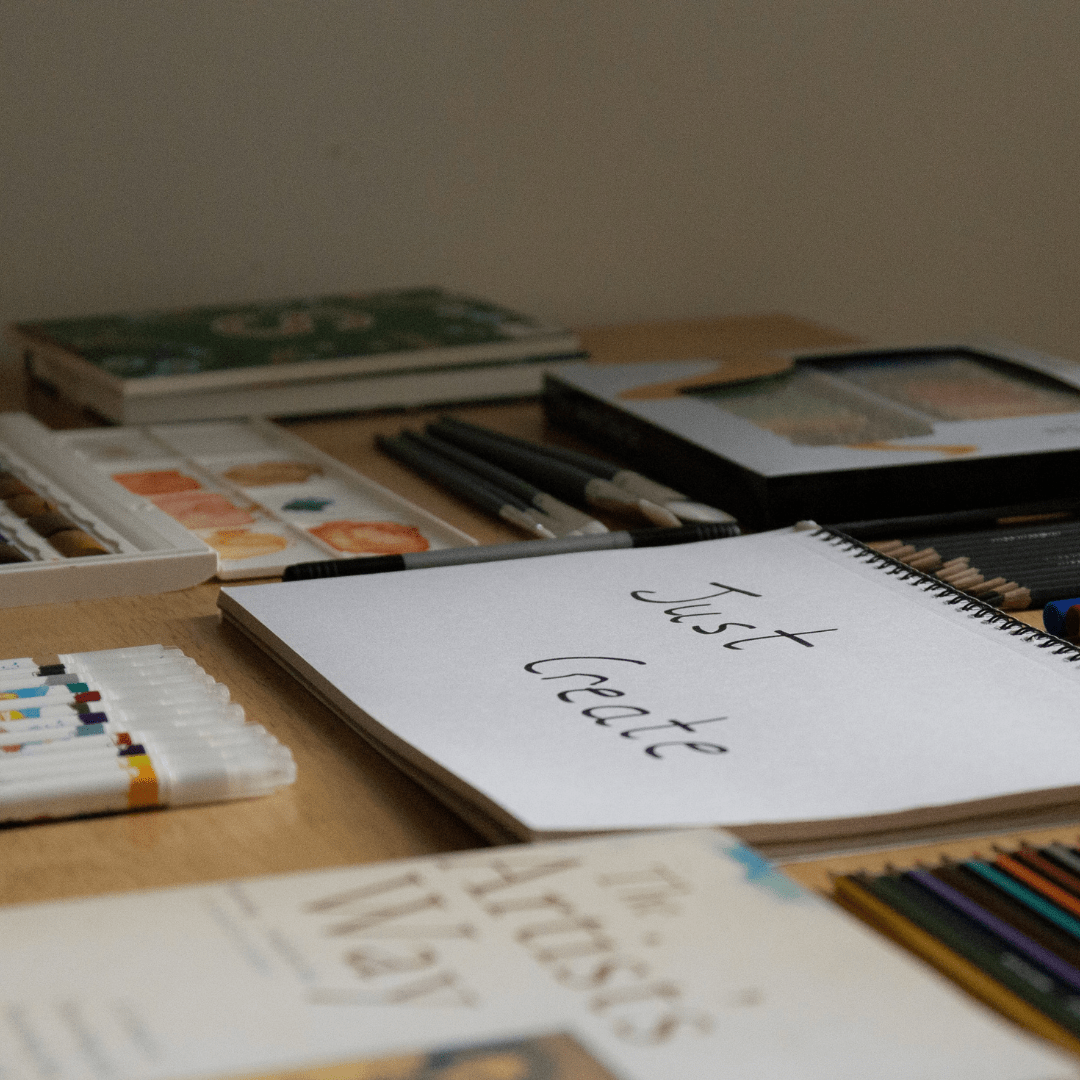
Creative block?

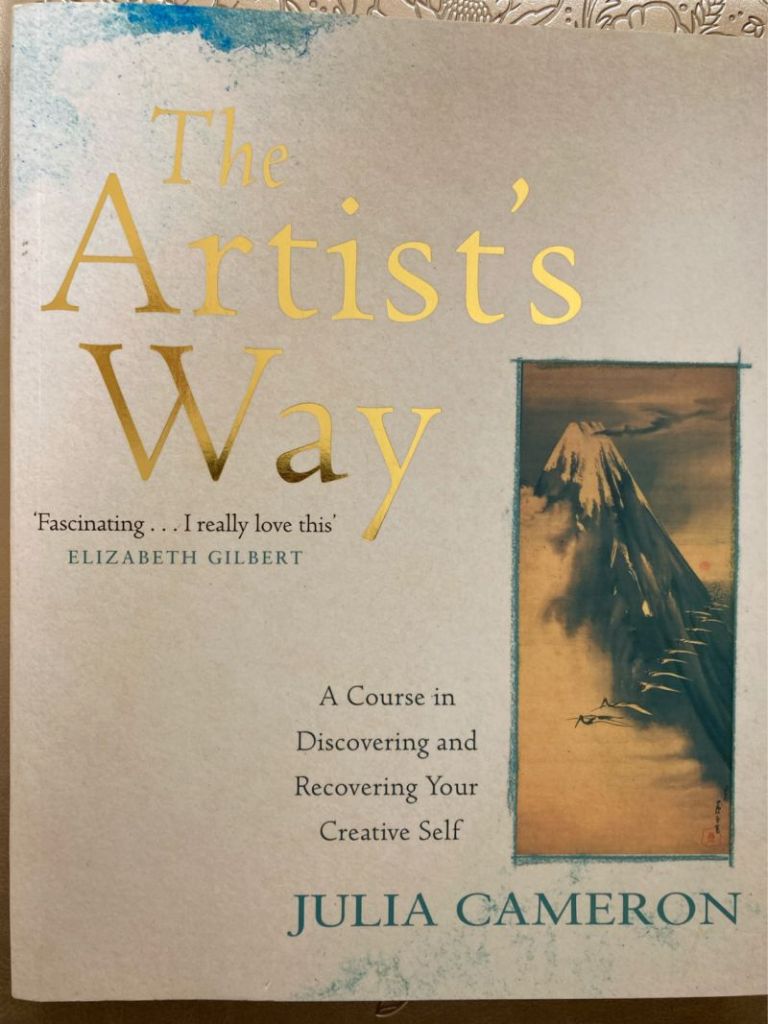
Recently I read “The Artist’s Way” by Julia Cameron (twice!) and enjoyed it (twice!).

Artist does not necessarily mean Painter, it represents anyone in pursuit of creativity, regardless of career.

Rather than being set out in chapters, the book is organised as a 12 week course.

The objective of the course is to help us rediscover our creativity. Each week focuses on a particular theme and offers practical suggestions to help us recover and discover the creative flair we might have practiced unselfconsciously as children.

In addition to the weekly exercises, 2 basic tools are recommended, “morning pages” and “the artist date”.

Writing three A4 pages everyday is a conversation with ourselves- perhaps covering thoughts we wouldn’t dare reveal to anyone else. It’s a chance to pour out hopes, dreams, fears and frustrations privately.

The Artist date, is a weekly time investment doing something by ourselves for ourselves; being in nature, listening to music or trying a new food. The date can be anything but should feel like play and not work. This is to replenish our creative resources.

If you have temporarily forgotten how to practice and enjoy your creativity, or feel an artistic block, this book is definitely worth reading!

Feature Image Credit: Seema Miah via Unsplash

The 7 Habits of Highly Effective People

The physical and mental strength displayed at the Olympics reminded me of Stephen Covey’s book “The 7 Habits of Highly Effective People”.

The habits are broken down into the first 3 which relate to self management and development.

Habits 4 to 6 offer advice on how best to approach our interactions with others.

Habit 7 is “sharpen the saw” which is about self care.

We wouldn’t try to cut down a tree with a blunt, worn out saw and this analogy is used to advise us to be proactive in looking after ourselves. The Olympic athletes are prime examples of this habit.

By investing in sleep, nutrition and activity we can keep ourselves in peak physical condition.

We can take care of our spiritual lives by meditating or spending time in nature.

We choose to maintain mental fitness by being conscious of what we consume in terms of media and reading.

For optimum social interaction, Covey recommends we have authentic, meaningful connections whilst being helpful to others. It was heartening to see the recent support for all athletes, regardless of their level of success.

My copy of the book is quite old but I was pleasantly surprised with how easy to read it is and how relevant it remains in 2021.

If I liked this book, what others should I try?

Feature Image via Canva

Road Trip

Recently, I was reminded of a Japanese backpacker, called Muzz whom I met in New Zealand 20 years ago.  We were all working on the same farm, which was in a remote location near Ohura, Taranaki in the North Island. 

Muzz had decided to move on to New Plymouth, which was over 100km from where we were. 

Our farmer hosts estimated it would be close to a 2.5 hour car drive and there was no direct bus routes.  They advised Muzz that hitchhiking, which was very common in NZ at the time, would be the best way to get to New Plymouth. Muzz wasn’t familiar with hitchhiking at all as it was not usual in Japan, but he was prepared to try it. 

Our hosts were making a delivery to Hamilton the following day so they brought Muzz as far as the main road and told him to stick his thumb out when any vehicles going south passed by. 

The trip to Hamilton was a journey north but was also going to be about 2.5 hours each way, so it was evening time when our hosts returned. 

They arrived bringing a Japanese backpacker with them… Muzz ! 

Muzz had stood by the side of the road all day. Six drivers stopped but none were going all the way to New Plymouth, so Muzz declined their offers of lifts.  

At the time, I felt sorry for Muzz because he was hungry and tired and back at square one.  

However, looking back I see that Muzz will have gained great learning that day.  

1. You need to know your destination. If you don’t, you’re just going to go where others bring you. One day you’ll realise you’re living someone else’s idea for your life rather than the version of life you choose for yourself. 

2. When you know your destination (like Muzz did), you need to be prepared that progress may only happen in stages. Standing still waiting for an easy ride all the way to the finish line could mean you don’t go anywhere. 

3. Be prepared to forgive yourself and get back on the road if you make a mistake or something doesn’t work out immediately. After his unproductive and tiring day, Muzz got up the following morning and went hitchhiking again. He travelled with 3 different drivers but reached his destination in just over 4 hours! 

Feature Image Credit: Martin Kallur via Unsplash

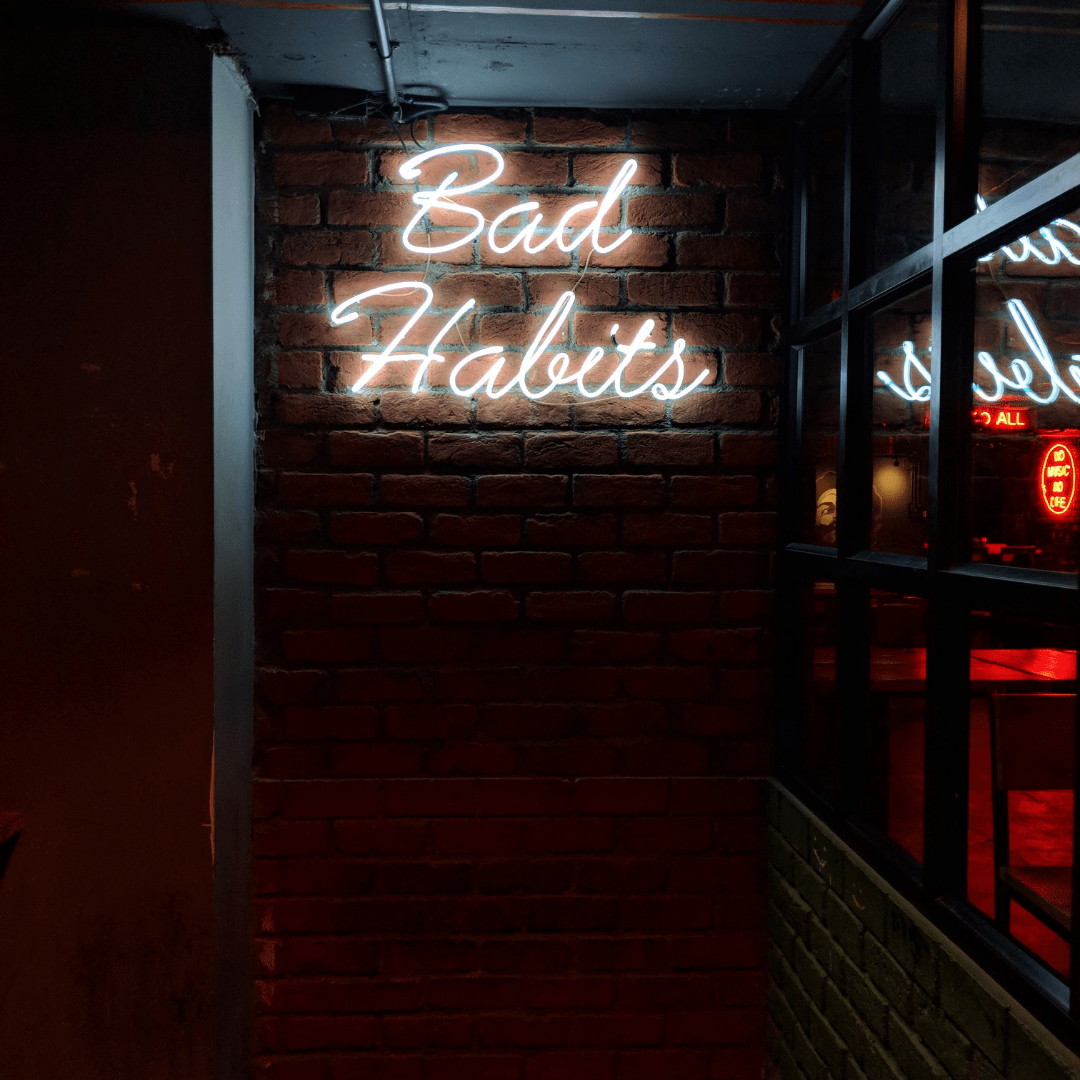
Bad Habits

Listening to Ed Sheeran’s new song reminded me of James Clear’s book “Atomic Habits”.

James offers advice to help with fostering desired habits. He describes a method of stacking habits so that certain behaviours follow others without us even having to think about it.

The song “Bad Habits” provides a good example of how this works too, although in this case the stacking is for behaviours described as bad habits.

In my interpretation of the lyrics, going out late brings the character in the song to pubs/clubs where autopilot associations lead him to vices that he knows are bad for him.

The book offers advice on how adopting tiny behaviour changes can lead to greater success and break bad habits.

So cool bat-like character in Ed Sheeran’s new video, if you’re reading this, I recommend you stop and instead invest your time in reading James Clear’s book.

James Clear, if you’re reading this, I recommend you check out the song, it’s lyrics, tune and video are all great.

And Ed Sheeran, if you’re reading this, I think it’s genius that your song implies its unlikely that we’ll break our habits but yet in creating this song you’ve deviated from your usual style and so you’ve inspired us that it is possible to change our patterns.

Feature Image Credit: Manan Chhabra via Unsplash

Emerging Shortly

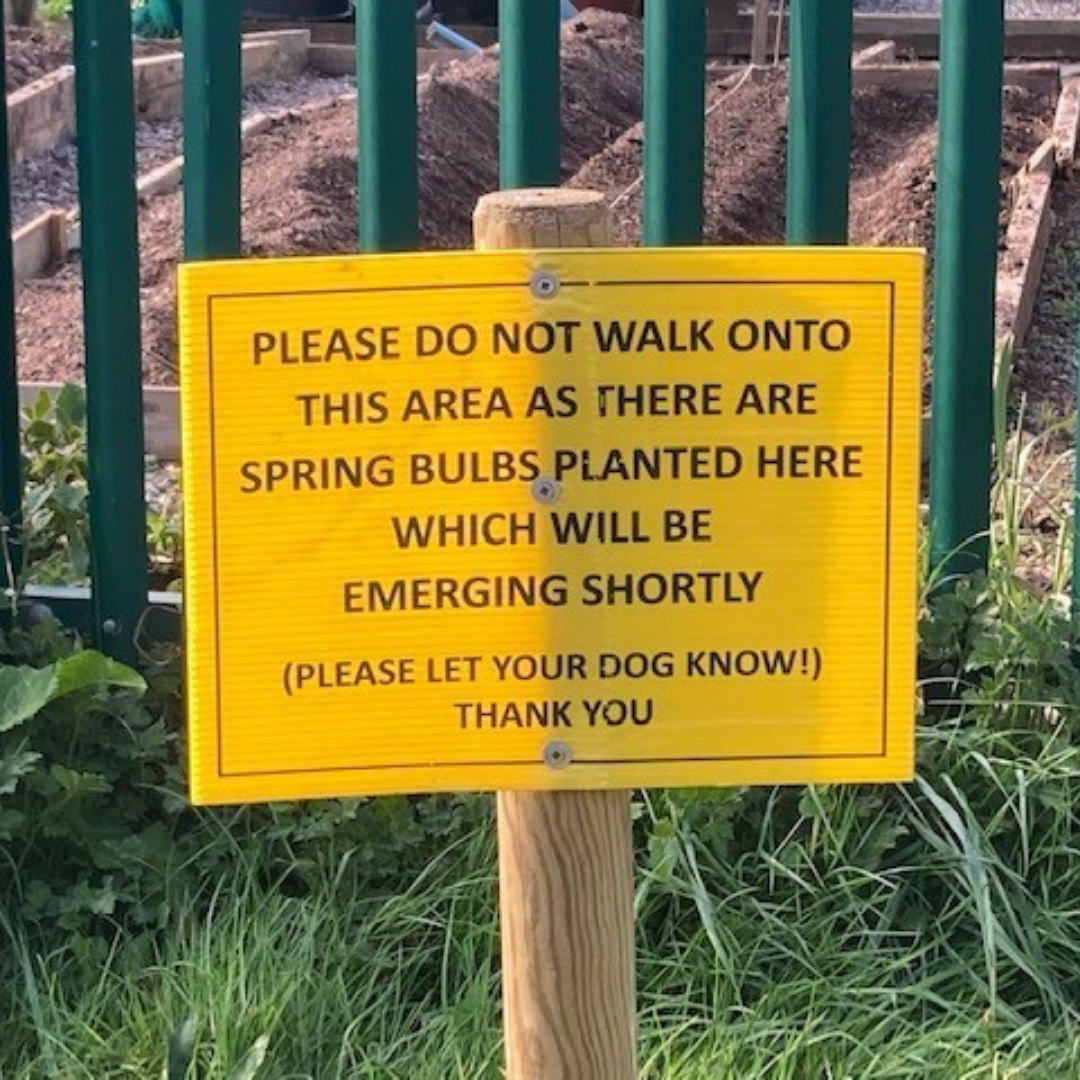
I saw this sign recently and it made me think about the rate at which we make progress.

What is the right rate of progress? Should we always be trying to forge ahead?

A long time ago when I worked in the dealing room of a bank, the phrase “you’re only as good as your last deal” was regularly bandied about. I took it to mean that past success was transient and quickly forgotten so you always needed to keep striving, going from one success to the next. In more simple terms, having an amazing February with respect to results was irrelevant if you just had an average performance in March. There was pressure to constantly improve, do more and get better results each time.

In more recent years, I’ve come to question that approach. Yes, I believe we are wired to constantly want more and we are all ambitious for something, although our drivers may vary.

However, maybe we need pause times between successes or maybe the successes won’t occur at all unless we have pause times?

Farmers allow fields lie fallow every few years in order to give the soil a chance to recover before it is productive again. I think we need to recognise this pattern in ourselves also.

Some weeks amazing successes may occur but we’ll have other weeks where we feel we haven’t progressed at all. We should welcome these weeks too as they are a chance to think, reflect and learn. 

Don’t give up on your efforts, because just like the bulbs in the ground near the sign, something is happening beneath the surface and success will be emerging again shortly.

Zoom In/Zoom Out

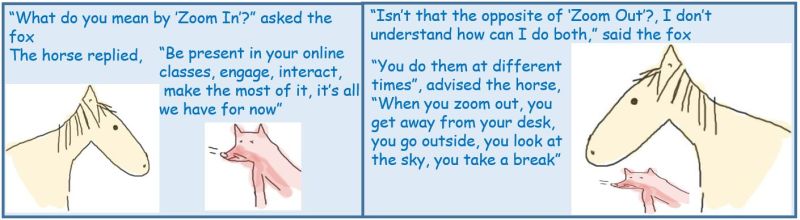
I really wanted to write something insightful to motivate us for Semester 2. I came up with what I thought was a great title, “Zoom In / Zoom Out”. However, the blog I attempted to write did not convey the message I wanted to share.
Instead, I attach a cartoon that I created. It’s inspired by Charlie Mackesy who is the author of a book called “The Boy, The Mole, The Fox and The Horse”. This is a wonderful book with a theme of resilience, gentleness and kindness, just right for the times in which we find ourselves.

Charlie Mackesy

Feature Image Credit: Jason Leung via Unsplash